
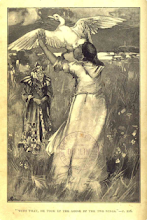
- For this blog, you might want to look up the terms “epiphany,” Bildungsroman, “leitmotif,” “modernism,” or “chronotope” and see how these terms relate to the novel. To gain a great historical perspective, feel free to look up Easter 1916, The Gaelic League, The 1913 Lockout, James Connelly and the Irish Citizens Army, and Patrick Pearse to get a better sense of the turbulent politics of Ireland in the early twentieth century and how they relate to some of the issues raised in the latter part of Portrait. If you’re staying in this weekend, you might want to rent a recent film about the Irish uprising entitled The Wind That Shakes the Barley, and compare some of the themes in that film with the novel.
- I love when students exert themselves creatively, and I think A Portrait of the Artist as a Young Man tends to cause its readers to reflect on their own development and individual epiphanies. For this blog, compose an account of an epiphany you may have had in your life, but write it in James Joyce’s style.
- In his essay “A Portrait of the Artist as a Young Man and the “Individuating Rhythm of Modernity,” Tobias Boes writes,
What does Boes mean by these statements? Where do you see this tension in the novel? Cite specific examples from the text.
- What does Boes mean by “individuating rhythms”? How does it compare to other “rhythms” in the novel?
- Compare the way in which Wilde and Joyce discuss the role of the artist in society. Look specifically on pages 219-221 and the argument between Stephen and Davin. Does the artist owe a debt to the nation, especially to the emerging nation that Ireland was at the turn of the century?

No comments:
Post a Comment